Best Luxury Escapes for Couples: Definitive High-End Romantic Travel Blueprint
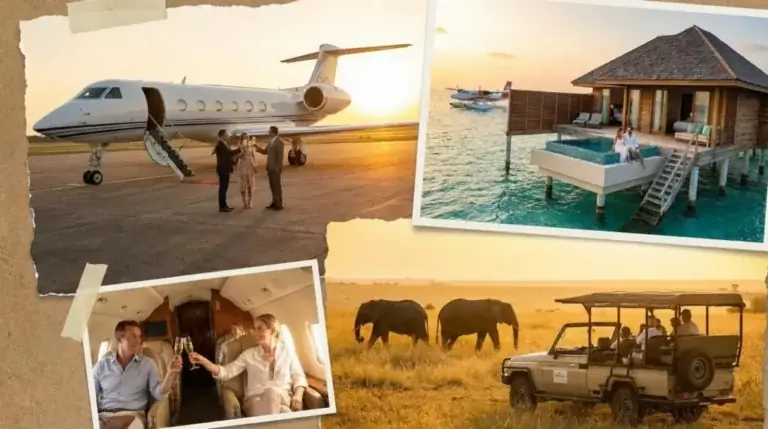
Evaluating high-end romantic travel requires moving past conventional marketing imagery of rose petals and sunset champagne toasts to examine the architectural realities of spatial autonomy, time synchronization, and emotional decompression. As discerning couples transition away from frantic, multi-city itineraries toward intentional, deep-immersion journeys, elite romantic travel has transformed into an exercise in absolute privacy, unhurried pacing, and hyper-personalized hospitality. This paradigm shift demands an analytical approach that measures a destination not by its public prestige, but by its capacity to shield partners from external friction while fostering genuine connection.
Navigating this specialized tier of leisure introduces systemic complexities extending far beyond baseline room rates or resort amenities. A multi-jurisdictional romantic journey traversing remote alpine sanctuaries, private island atolls, or secluded historic vineyards provides exceptional intimacy, yet exposes travelers to complex micro-logistics, seasonal weather vulnerabilities, and variable service execution. Evaluating these competing models requires balancing emotional expectations, privacy thresholds, and temporal limitations against exact asset classes and operational contingencies.
This analysis establishes an exhaustive, definitive reference blueprint for understanding, classifying, and selecting elite romantic getaways. By investigating historical paradigm shifts, structural risk frameworks, financial resource allocation, and regional deployment dynamics, this inquiry equips couples and private advisors with the technical criteria needed to evaluate high-end romantic investments with absolute clarity.
Understanding “best luxury escapes for couples.”
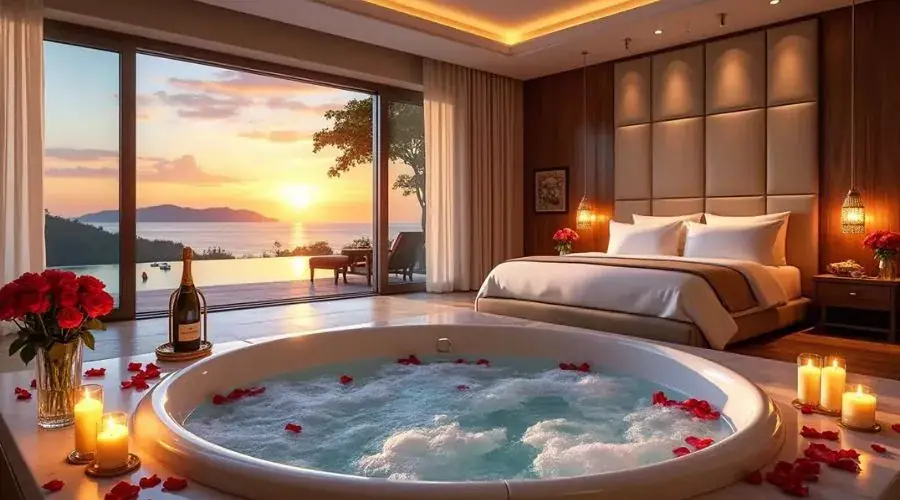
Evaluating what constitutes the best luxury escapes for couples requires examining the intersection between secluded architectural design, hyper-customized service rhythms, and psychological restoration. The category encompasses overwater villas in the Indian Ocean, fully staffed cliffside estates on the Amalfi Coast, private game reserve buyouts in Southern Africa, and Michelin-anchored wine country retreats. A common misinterpretation assumes that romantic luxury is defined strictly by visual opulence—such as gold-plated fixtures or generic champagne packages—ignoring how true high-end couple retreats are anchored in invisible operational perfection, absolute acoustic insulation, and freedom from public congestion.
Oversimplifying these operational realities exposes couples to acute friction, including unvetted third-party local service providers, poorly structured inter-island transfers, or architectural layouts that compromise visual privacy. Comprehensive evaluation requires cross-referencing room placement relative to resort foot traffic, staff-to-guest ratios, and private dining contingencies to ensure the selected environment matches the exact relational and atmospheric needs of the partners.
True comprehension of this domain necessitates analyzing how distinct geographical corridors shape daily transit rhythms and exposure levels. Evaluating an adults-only sanctuary in the Greek Cyclades highlights cliffside seclusion and caldera exposure, whereas analyzing a secluded country estate in rural England emphasizes historic heritage, heavy culinary pacing, and unpredictable maritime weather. When couples investigate elite alternatives, they require an analytical framework weighing environmental context against operational redundancy.
Deep Contextual Background
The historical evolution of high-end romantic travel reflects a profound structural transformation from rigid, status-driven grand tours toward hyper-personalized, ultra-discreet sanctuaries. Throughout the mid-twentieth century, elite romantic travel was governed by fixed commercial ocean liner schedules, grand urban hotels, and predictable social hubs along the French Riviera, where prestige was measured by public visibility and social display.
A structural transformation occurred as global wealth generation accelerated, creating a demographic of couples who demanded absolute confidentiality, immediate global mobility, and immunity from mass tourism bottlenecks. Hospitality innovators responded by developing ultra-exclusive wilderness lodges, private island archipelagos, and design-forward boutique properties that operate entirely off the grid or within secluded architectural envelopes. Concurrently, specialized destination management companies emerged to engineer closed-loop access, securing private viewings of sovereign museums and confidential reservations at world-renowned dining establishments.
In the contemporary era, navigating this landscape requires strict analytical review of property design standards, transfer contract liabilities, and an understanding of how seasonal shifts alter destination dynamics. Understanding how high-end romantic travel evolved into a sophisticated institutional sector reveals why meticulous asset selection and expert orchestration are essential for successful couple retreats.
Conceptual Frameworks and Mental Models
Navigating and selecting optimal high-end romantic itineraries requires rigorous mental models that synthesize temporal synchronization, spatial privacy, and operational redundancy.
1. The Acoustic and Visual Isolation Matrix
This framework evaluates the total physical insulation of a suite or villa—measuring distance from common walkways, neighboring terraces, and service corridors—to guarantee absolute privacy.
2. The Pacing and Rhythm Vector
This mental model maps how daily itineraries balance structured activities against unstructured decompression, ensuring that couples do not suffer from decision fatigue or overloaded schedules.
3. The Service Invisibility Equation
This operational model calculates the ratio of proactive hospitality to intrusive presence, ensuring that staff anticipate needs without interrupting the relational intimacy of the partners.
Key Categories or Variations of Luxury Escapes
Categorizing the vast landscape of elite romantic journeys requires grouping options by their environment, structural format, and experiential focus. Travel coordinators evaluate these categories based on relationship milestones, duration, and personal preferences.
-
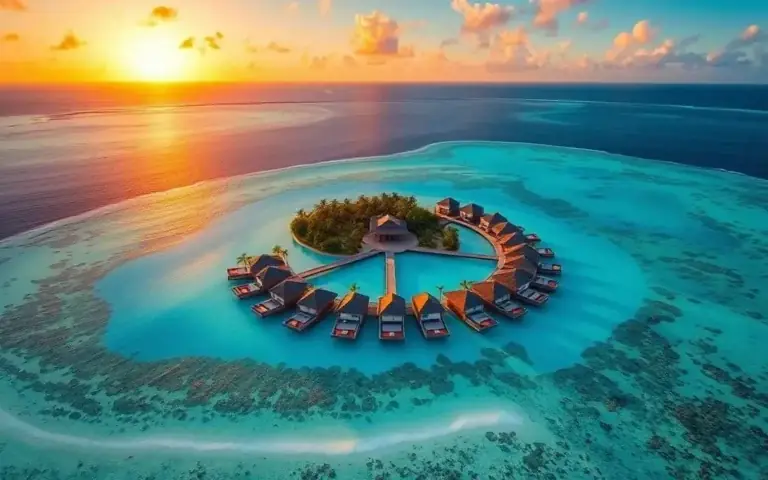
Overwater Island Sanctuaries: Remote tropical atolls featuring standalone villas with direct lagoon access and private plunge pools. Trade-off: Ultimate visual romance and marine immersion balanced by long-range seaplane transfers and limited land mobility.
-
Historic European Country Estates: Converted 16th-century farmhouses, châteaux, or masserias ringed by private olive groves or vineyards. Trade-off: Profound architectural heritage and world-class wine integration balanced by seasonal weather variability.
-
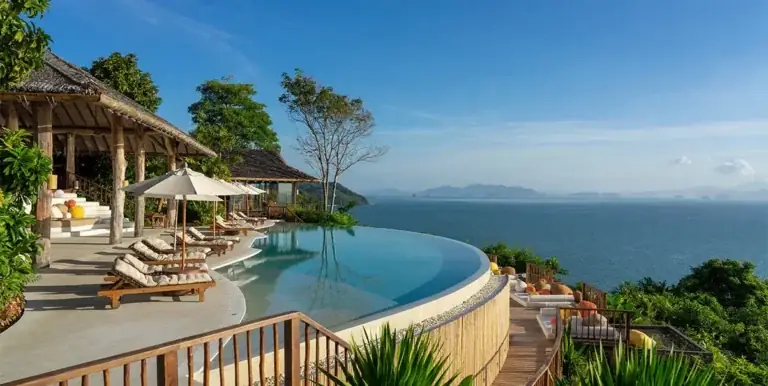
Cliffside Caldera Suites: Terraced multi-level suites carved into volcanic rock faces overlooking marine basins. Trade-off: Dramatic sunset panoramas and striking aesthetics balanced by steep staircases and high summer tourist congestion outside property lines.
-
Alpine Wellness Sanctuaries: High-altitude minimalist mountain retreats focusing on thermal baths, forest bathing, and silent recovery. Trade-off: Exceptional clean air, restorative quiet, and advanced spa integration balanced by remote mountain access routes.
-
Private Wildlife Reserves: Intimate luxury tented camps or exclusive safari lodges offering private game-viewing vehicles. Trade-off: Extraordinary wildlife proximity and remote seclusion balanced by rigid game-drive schedules and unpaved transit.
-
Design-Forward Urban Sanctuaries: Discreet city hotels featuring Michelin-starred dining, private spa floors, and residential-style layouts. Trade-off: Immediate access to cultural capitals balanced by urban noise and limited natural landscape immersion.
Comparison of Luxury Couple Escape Categories
| Escape Category | Typical Setting | Primary Operational Advantage | Notable Limitation or Constraint |
| Overwater Atolls | Tropical marine lagoons | Complete water isolation; direct reef access | Complex multi-leg transfer logistics |
| Historic Estates | Rural wine/agricultural belts | Expansive grounds; slow culinary pacing | Variable local transport infrastructure |
| Caldera Suites | Volcanic cliff edges | Unrivaled sunset views; striking design | Steep terrain; public pathway exposure |
| Alpine Wellness | High mountain peaks | Silent recovery; advanced thermal spas | Restricted seasonal accessibility |
Realistic Decision Logic
When partners evaluate potential escape categories, selection must be anchored in the emotional and physical state preceding the journey. If a couple is recovering from months of high-stress corporate execution or wedding planning fatigue, a high-altitude alpine wellness sanctuary or remote island atoll delivers the necessary digital detox and deep rest. Conversely, if the objective is cultural stimulation combined with romantic dining, an intimate historic European estate or design-forward urban sanctuary provides the required balance of urban energy and private retreat.
Detailed Real-World Scenarios and Operational Dynamics
To understand how elite romantic escapes perform under real-world operational conditions, consider four distinct scenarios.
Scenario A: Inter-Island Transfer Disruption in the Indian Ocean
A couple travels by seaplane from a main international hub to a remote overwater resort.
-
Failure Mode: Late-afternoon tropical squalls ground all domestic seaplane departures, stranding the couple at the municipal airport.
-
Second-Order Effect: Because the luxury resort maintains a private VIP airport lounge and a dedicated host network, the couple is immediately escorted to a luxury air-conditioned lounge with private dining, while the resort coordinates an emergency speedboat transfer or reserves a priority morning slot.
Scenario B: Dietary and Culinary Customization at a Remote Wine Estate
A couple with strict dietary parameters books an extended stay at a secluded countryside masseria.
-
Failure Mode: Standard seasonal menus do not accommodate specific medical or personal dietary requirements, threatening the enjoyment of premier tasting dinners.
-
Second-Order Effect: The executive chef receives the couple’s profile three weeks in advance through a dedicated private concierge, sourcing custom ingredients from local organic producers to craft entirely bespoke daily tasting menus without friction.
Scenario C: Architectural Privacy Compromise in a Cliffside Resort
A couple checks into a high-end caldera suite boasting a private heated plunge pool.
-
Failure Mode: Upon arrival, the couple discovers that public walking paths overlook the private pool terrace, completely undermining their privacy.
-
Second-Order Effect: The property manager immediately reassigns the couple to a higher-tier, non-overlooked master villa, supplementing the upgrade with complimentary private spa treatments and an isolated candlelit dinner on a secluded lower deck.
Scenario D: High-Season Reservation Bottlenecks in Urban Cultural Hubs
A couple attempts to secure private museum access and Michelin-starred dining tables during a weekend in Paris.
-
Failure Mode: Public concierge desks and online platforms show zero availability for key dining and cultural slots.
-
Second-Order Effect: Utilizing a retained luxury lifestyle service with pre-established institutional relationships bypasses public queues, securing private after-hours gallery tours and prime window tables effortlessly.
Planning, Cost, and Resource Allocation
Managing high-end romantic travel requires allocating financial resources for premium accommodations, specialized private transfers, customized dining programs, and planning retainers.
Financial Dynamics and Cost Variability
| Planning Element | Estimated Cost Range (Per Week) | Primary Cost Driver | Financial Risk / Value Impact |
| Overwater Atoll Villa | $20,000 – $75,000+ per week | Seaplane transfers, all-inclusive luxury packages | Ultimate romantic isolation; high baseline rates |
| Historic European Estate | $15,000 – $50,000+ per week | Villa exclusivity, private chef staffing | Deep cultural immersion; seasonal pricing spikes |
| Alpine Wellness Sanctuary | $12,000 – $40,000+ per week | Comprehensive medical/spa treatments, room tier | Profound physical restoration; rigid program rules |
| Bespoke Planning Retainer | $10,000 – $50,000 annual fee | Global access network, 24/7 itinerary management | Eliminates logistical friction; guarantees priority status |
Opportunity Costs and Resource Allocation
A common administrative error in romantic travel planning involves underestimating lead times for high-demand properties and seasonal booking windows. Because elite romantic properties often operate with limited room counts, failing to secure inventory twelve months in advance forces compromises on room location, forcing couples into units near service elevators or high-traffic public zones. Optimizing resources requires establishing clear trip priorities—allocating capital toward room location and privacy over ancillary superficial upgrades.
Tools, Strategies, and Support Systems
Successfully navigating the selection and execution of elite romantic journeys requires utilizing specialized travel advisory networks, secure communication channels, and VIP support systems.
-
Invitation-Only Hotel Advisory Networks: Specialized agencies holding preferred partner status with top-tier hospitality brands, unlocking complimentary room upgrades, resort credits, and VIP treatment.
-
Secure Concierge Messaging Portals: Encrypted digital platforms managing itinerary changes, dining preferences, and special occasion surprises discreetly.
-
Global Medical and Evacuation Coverages: Comprehensive subscriber policies guaranteeing emergency air ambulance transport from remote islands or mountain lodges.
-
Private Tarmac Meet-and-Greet Services: Specialized airport agents bypassing public customs, immigration lines, and baggage claim areas.
-
Customized Packing and Luggage Forwarding Services: Door-to-door courier networks transporting formal evening wear and sporting equipment securely ahead of arrival.
-
Destination Intelligence Feeds: Real-time updates tracking local strikes, weather abnormalities, and public event schedules that might impact the escape.
Risk Landscape and Failure Modes
Navigating high-end romantic travel introduces specific operational risks and compounding hazards that require proactive mitigation.
Compounding Risks in Romantic Escapes
-
Expectation Inflation: The psychological pressure for a milestone trip to be flawless can create interpersonal tension if minor operational hitches occur.
-
Weather Vulnerability: Unseasonal tropical cyclones, heavy monsoons, or sudden alpine snowstorms disrupting outdoor itineraries and transfer schedules.
-
Service Misalignment: A mismatch between the service style of the property (such as overly formal butler service versus relaxed barefoot luxury) and the couple’s personal comfort preferences.
-
Privacy Erosion: Unanticipated resort events, corporate buyouts, or media shoots that compromise the secluded atmosphere of the property.
Governance, Maintenance, and Long-Term Adaptation
Preserving relationship enrichment and travel efficiency across recurring romantic journeys requires adherence to structured review cycles and continuous preference documentation.
Monitoring and Review Cycles
Couples and their advisors must review preferred hotel brand portfolios annually, update dietary and lifestyle profile notes semi-annually, verify medical evacuation policy coverages, and conduct post-trip debriefs to refine future destination selections.
Layered Maintenance Checklist
-
Twelve Months Out: Define overarching romantic calendar; secure primary resort or estate bookings, especially during peak festive or shoulder seasons.
-
Six Months Out: Finalize private dining schedules, spa treatment reservations, and bespoke local excursion guides.
-
Thirty Days Out: Review transfer manifests, dietary notifications, special celebration details, and insurance documentation.
-
Departure Day: Utilize private airport transfer protocols; confirm direct communication channels with resort guest relations.
Measurement, Tracking, and Evaluation
Assessing the success of an elite romantic escape requires balancing quantitative operational metrics with qualitative relational restoration signals.
-
Quantitative Indicators: Zero transfer delays attributable to poor coordination, 100% fulfillment of requested room positioning and privacy guarantees, and adherence to projected financial allocations.
-
Qualitative Signals: Measurable reduction in reported stress levels, deep emotional reconnection, high satisfaction with dining and spa programming, and a total absence of external disruptions.
-
Documentation Standards: Maintaining confidential preference profiles recording room numbers, pillow types, preferred wine labels, and favored staff members to streamline future bookings.
Common Misconceptions and Oversimplifications
-
Myth: Any five-star luxury hotel is inherently romantic and suitable for couples.
-
Correction: Many large urban five-star hotels cater primarily to corporate executives and large conventions, creating a bustling, high-traffic environment that lacks romantic intimacy.
-
-
Myth: Booking an all-inclusive romantic package ensures that every aspect of the trip is completely covered.
-
Correction: Premium offerings often exclude rare vintage wine allocations, motorized water sports, private yacht charters, and specialized wellness therapies.
-
-
Myth: Traveling during off-peak monsoon or winter shoulder seasons ruins a couple’s luxury escape.
-
Correction: Shoulder seasons frequently offer superior service ratios, lower crowding, and enhanced privacy, provided travelers select destinations with resilient microclimates.
-
-
Myth: Using standard online travel agencies is sufficient for securing the best romantic suites.
-
Correction: Specialized luxury travel designers maintain unlisted inventory access, direct property owner relationships, and VIP amenity privileges that online algorithms cannot provide.
-
-
Myth: Private island resorts guarantee complete isolation from other guests.
-
Correction: Some island resorts operate high-density villa layouts around shared central dining pavilions, requiring careful villa selection to ensure true seclusion.
-
-
Myth: Romantic getaways require packed daily itineraries to maximize the value of the trip.
-
Correction: The most successful high-end couple escapes intentionally prioritize unstructured time, allowing partners to rest and connect organically without rigid scheduling.
-
Ethical, Practical, or Contextual Considerations
The practical realities of operating high-end romantic resorts in fragile marine, alpine, or rural environments carry important responsibilities regarding environmental conservation, carbon reduction, and community support. Leading luxury properties invest heavily in sustainable architecture, solar microgrids, marine reef restoration, and local employment programs that ensure high-end tourism directly preserves local ecosystems. Furthermore, engaging local artisans and sourcing farm-to-table cuisine supports regional economies while enriching the cultural authenticity of the couple’s experience. Balancing personal indulgence with ecological stewardship defines the modern standard of responsible high-end travel.
Conclusion
The strategic planning, financial forecasting, and logistical coordination required when curating the best luxury escapes for couples represent the intersection of sophisticated hospitality design, emotional alignment, and privacy management. By moving past superficial travel marketing and confronting the operational realities of asset selection, transfer logistics, seasonal weather patterns, and service execution, couples can establish a structural framework guaranteeing seamless journeys and profound relational enrichment. Whether retreating to overwater lagoons, historic European wine estates, or silent alpine sanctuaries, achieving total escape success demands an unyielding commitment to analytical precision, operational redundancy, and intellectual honesty.